
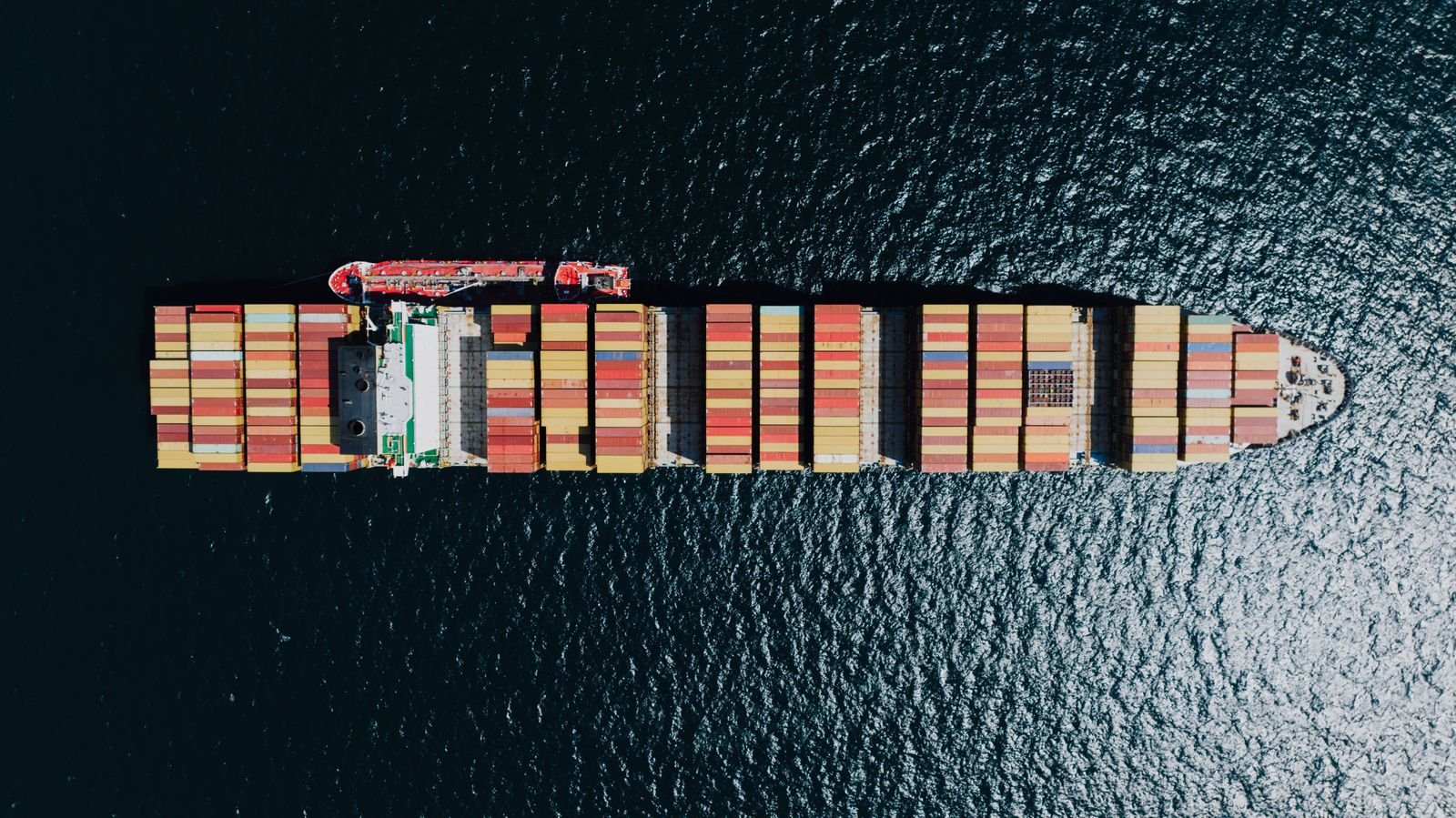
To ship bulk cargo from Turkey to Italy, most shippers use a freight forwarder or shipbroker who books a bulk vessel from a Turkish port such as Aliaga, Iskenderun, Mersin or Izmit to an Italian port such as Genoa, La Spezia, Ravenna, Taranto or Trieste. Sea transit is short by global standards, often measured in days, and door-to-door ocean shipments are commonly quoted at around two to three weeks once loading, customs and port handling are included.
This guide is organised as questions a buyer or exporter actually asks, rather than as a company directory. It covers when sea beats rail or road, which documents you need, how to choose a forwarder, what drives cost and how to avoid delays. Transit times and rates are indicative only, so get written quotes for your cargo.
Q1: Why Ship by Sea Between Turkey and Italy?
The two countries are close trading partners. One trade-information source describes Italy as Turkey’s fourth-largest trade partner, and the Mediterranean connects their ports directly. Bulk commodities such as grain, minerals, cement, fertiliser, scrap metal, coal and steel products are heavy and low in value per tonne, so shipping them by vessel is usually the most economical choice. Rail and road can work for smaller or time-sensitive loads, and rail is sometimes quoted at about ten to fifteen days, but neither can match a bulk carrier on cost for large volumes.
| Mode | Best for | Indicative transit |
|---|---|---|
| Bulk vessel | Large tonnages of loose commodities | Days at sea, about 2 to 3 weeks door to door |
| Rail | Mid-size loads with fixed schedules | About 10 to 15 days |
| Road | Smaller consignments and flexible delivery | Depends on borders and ferries |
| Container | Bagged or palletised goods | Regular liner schedules |
Q2: Which Ports Are Used?
On the Turkish side, Aliaga near Izmir handles many industrial and bulk shipments, Iskenderun and Mersin serve the south-east and the Mediterranean coast, and Izmit and the Marmara region support heavy industry. On the Italian side, Genoa and La Spezia serve the north-west, Ravenna serves the Adriatic and northern industrial areas, Taranto handles southern bulk and steel cargo, and Trieste serves the north-east and Central Europe. The best pair depends on where the cargo starts, where the buyer is and which port has the right equipment, such as grabs, conveyors, silos or heavy-lift capacity.
How to pick the Italian port
- Check that the terminal handles your cargo type and has available berths.
- Compare inland transport cost from the port to the consignee.
- Ask about storage, free time and demurrage charges.
- Check draft restrictions and vessel size limits.
Q3: What Vessel Types Carry Bulk Cargo?
Bulk carriers are grouped by size. For this route, the common categories include smaller coasters for short regional trips, Handysize vessels for mid-size parcels, Supramax vessels for larger lots and Panamax vessels for very large shipments on suitable ports. Smaller ships can enter shallow or constrained ports, while larger ships give a lower cost per tonne but need deeper berths. A forwarder or broker will match the vessel to cargo volume, port limits and schedule.
Q4: What Documents Are Needed?
Paperwork is where many shipments run into trouble. Prepare these early:
- Commercial invoice. Describes the goods, value and terms of sale.
- Packing list or cargo declaration. Gives quantities and weights.
- Bill of lading. The transport contract and, often, title to the goods.
- Certificate of origin. May affect duties or preferences.
- Export and import declarations. Customs filings in both countries.
- Quality and inspection certificates. Often needed for agricultural, mineral and chemical cargoes.
- Insurance certificate. Covers loss or damage during transport.
- Special permits. Needed for restricted goods, such as dangerous or regulated materials.
Italy is in the European Union, and Turkey has a customs union with the EU for many industrial goods, but agricultural and certain other products can be treated differently. Ask your forwarder and customs broker which rules apply to your commodity, and verify the current requirements with the customs authorities.
Q5: What Does It Cost?
Costs depend on cargo, volume, vessel size, season, fuel prices, port charges and market demand. Rather than quoting one number that may mislead, here are the typical cost components to ask about.
| Cost item | Notes |
|---|---|
| Ocean freight | Per tonne or per voyage, depending on the charter |
| Port and terminal handling | Loading and discharge at both ends |
| Customs and brokerage | Fees for filings and clearance |
| Duties and taxes | Depends on the commodity and trade rules |
| Inland transport | Trucking or rail to and from the ports |
| Storage, demurrage and detention | Charged if cargo or vessels are delayed |
| Insurance | A percentage of cargo value |
| Surveys and inspections | Draft surveys, quality tests and similar checks |
Q6: How Do I Choose a Freight Forwarder?
A good forwarder does more than book space. They coordinate vessels, port agents, customs brokers and inland carriers, and they warn you early about problems. Use this checklist:
- Experience with your commodity. Bulk grain, steel and chemicals have different handling needs.
- Presence at both ends. Local agents in Turkey and Italy reduce delays.
- Clear quotes. They should list every charge and the assumptions behind it.
- Insurance and liability terms. Understand what they cover and what they do not.
- References. Ask for similar shipments and check them.
- Communication. Agree on how and how often they will update you.
- Licences and memberships. Check relevant trade association or customs credentials.
Be careful with quotes that look far lower than the market. They may exclude port charges or rely on delays being your responsibility.
Q7: How Can I Avoid Delays?
- Finish documents early. Errors in invoices or certificates stop cargo at the port.
- Confirm laycan and berth availability. Late vessels and congested berths cause demurrage.
- Check weather and season. Winter storms can disrupt loading.
- Verify the cargo condition. Moisture, contamination and mixed grades can trigger rejection.
- Plan inland transport. Trucks and rail should be booked before arrival.
- Insure appropriately. Choose cover that matches the risk.
- Keep a contingency. Leave extra time in your schedule.
If you are comparing this route with other bulk lanes, or with how companies position themselves in this market, our business-focused guides on data literacy show how clear information helps decision making.
Q8: What About Sustainability and Compliance?
Shipping carries environmental and regulatory obligations. Operators increasingly face emission rules, and cargo owners may be asked about carbon reporting. Dust control, spill prevention and safe loading are standard concerns at bulk terminals. Ask your forwarder about the vessel’s age and efficiency, and make sure your cargo complies with chemical, plant-health and waste regulations where relevant.
Common Bulk Commodities on the Turkey-Italy Lane
| Commodity | Typical considerations |
|---|---|
| Grain and agricultural products | Phytosanitary certificates, moisture control, hold cleanliness |
| Cement and clinker | Dust control, specialised unloading, moisture protection |
| Minerals and ores | Weight and quality surveys, stowage and trimming |
| Scrap metal | Radiation checks, grading, mixed-material rules |
| Steel products and coils | Lashing, rust protection, heavy-lift handling |
| Fertiliser and chemicals | Dangerous goods rules, segregation, special permits |
| Coal and coke | Self-heating risks, dust, environmental limits |
Each category has its own safety, packaging and documentation rules, which is why asking a forwarder about their experience with your exact commodity matters more than a general sales pitch.
Understanding Charter Terms in Plain Language
If you charter a vessel directly or through a broker, you will see unfamiliar terms. Laycan is the window within which the ship must arrive ready to load. Laytime is the time allowed for loading or discharging, and demurrage is the charge when that time is exceeded. Despatch is a reward for finishing early. Free in and out means the charterer pays for loading and discharge costs. Understanding these terms helps you see where delays turn into costs, and it helps you compare quotes written on different bases.
Inland Legs and Final Delivery
Sea freight is only part of the journey. Cargo may travel by truck or rail to a Turkish port, wait in storage, load onto a ship, discharge in Italy and then move inland to the buyer. Each handover adds time and risk. Ask who is responsible at each step, what the documents must show and how damage or shortages will be handled. For high-value cargo, consider an independent survey at loading and discharge, because it provides evidence if there is a dispute.
Frequently Asked Questions
How long does bulk shipping from Turkey to Italy take?
The sea voyage is short, and door-to-door ocean shipments are often quoted at around two to three weeks including port handling and customs.
Which Turkish ports handle bulk cargo?
Common choices include Aliaga, Iskenderun, Mersin and Izmit, depending on the commodity and equipment.
Which Italian ports are used?
Genoa, La Spezia, Ravenna, Taranto and Trieste are frequently used for bulk and industrial cargo.
Is rail an option?
Yes, for some loads, with transit times often quoted at about ten to fifteen days, but large bulk volumes are usually cheaper by sea.
Do I need a customs broker?
Usually yes, or a forwarder that provides customs services, because filings and certificates must be correct.
How do I get an accurate quote?
Give the commodity, volume, packaging, loading and discharge ports, dates and required services, then compare itemised written quotes.
Conclusion
Shipping bulk cargo between Turkey and Italy is mostly a question of matching the right vessel, port pair and paperwork to your commodity. Prepare documents early, ask for itemised quotes, check that your forwarder has experience with your cargo type and leave room for port delays. Figures here are indicative, so confirm current rates, rules and schedules before you commit.

Lois Snyder is a versatile writer with experience across multiple domains. She crafts engaging and informative content, delivering valuable insights and captivating readers with her expertise and passion for diverse topics.